Iceland highlights
Where to go in Iceland.
Glacier lagoons, waterfalls, black beaches and hot rivers. Pick a theme to see only what you are after.
40 highlights
-
Vatnajökull
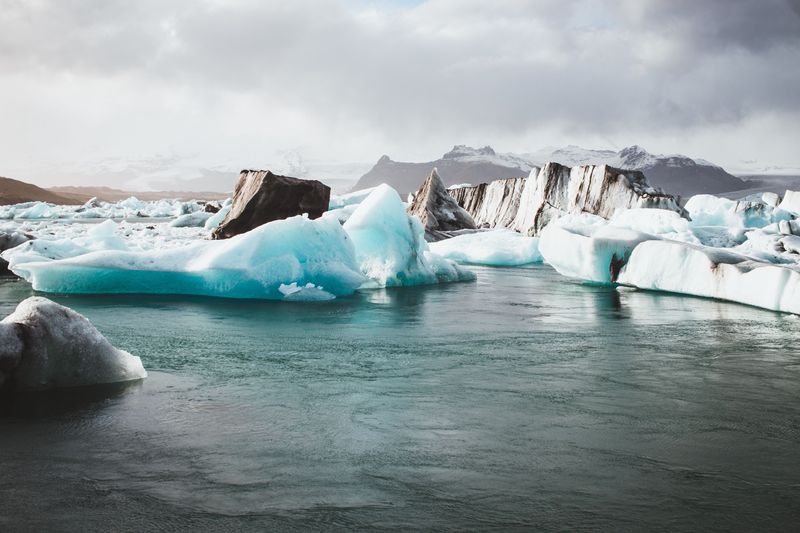
Jökulsárlón
Iceland's best-known glacier lagoon, where icebergs break off Breiðamerkurjökull and drift slowly towards the sea. Seals often swim between them.
Read the guide → -
Vatnajökull
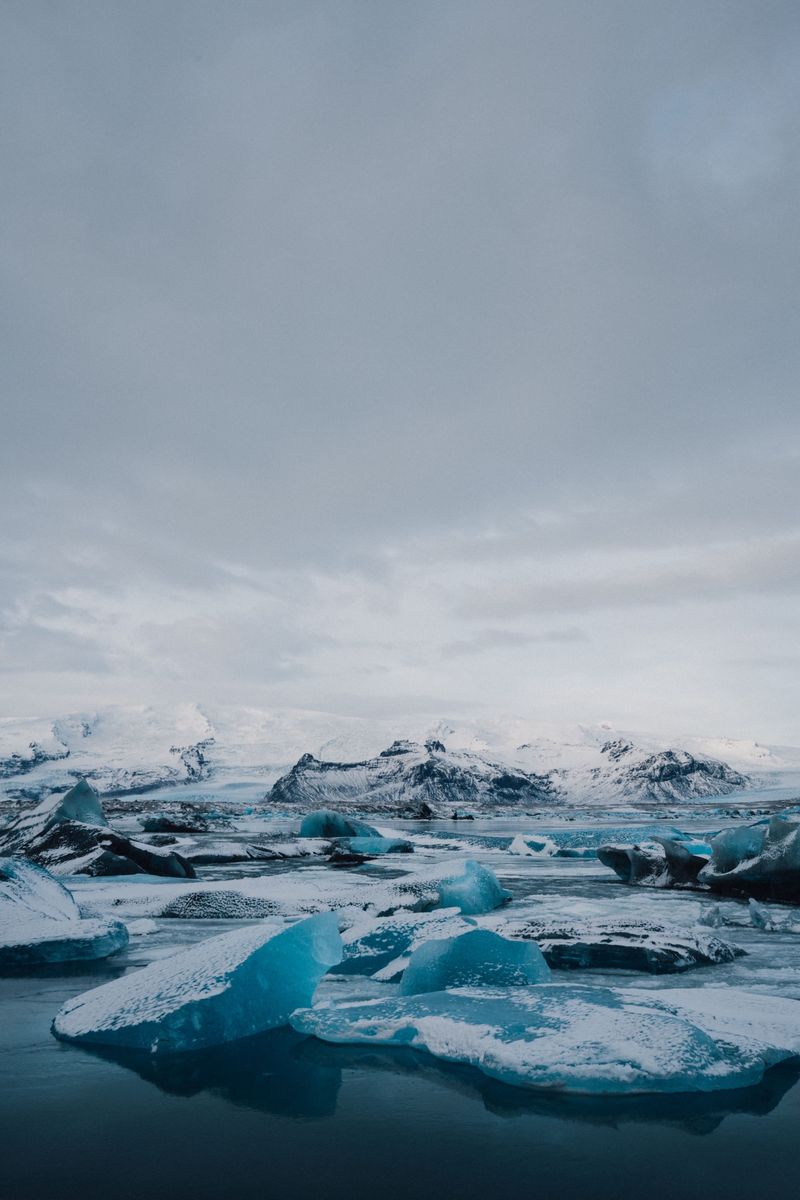
Jökulsárlón in winter
In winter the lagoon partly freezes and fresh snow settles on the icebergs. The light is low and soft all day.
Read the guide → -
Vatnajökull
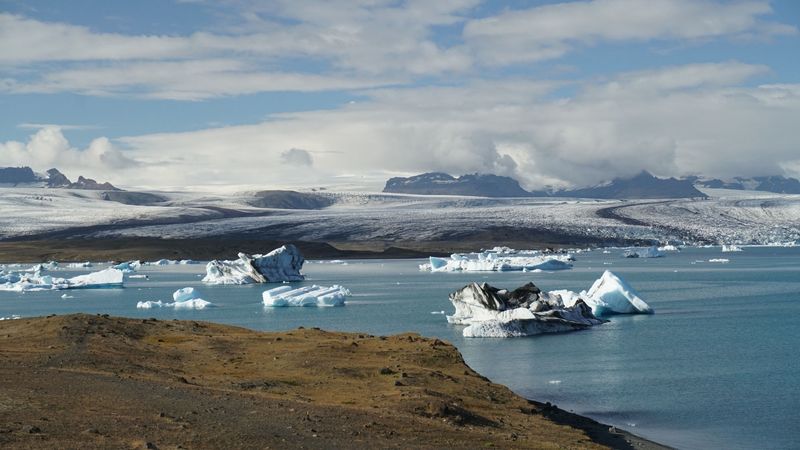
Breiðamerkurjökull
The glacier that feeds Jökulsárlón. From the lagoon's shore you can follow its dark moraine stripes back up to the ice cap.
Read the guide → -
Vatnajökull
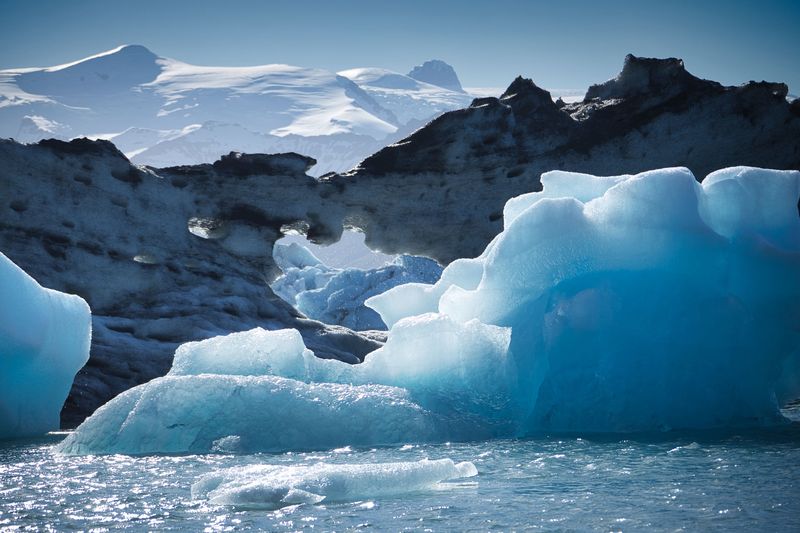
Blue icebergs
Ice that has just turned over glows deep blue, because old, dense glacier ice absorbs the other colours of light.
Read the guide → -
Vatnajökull
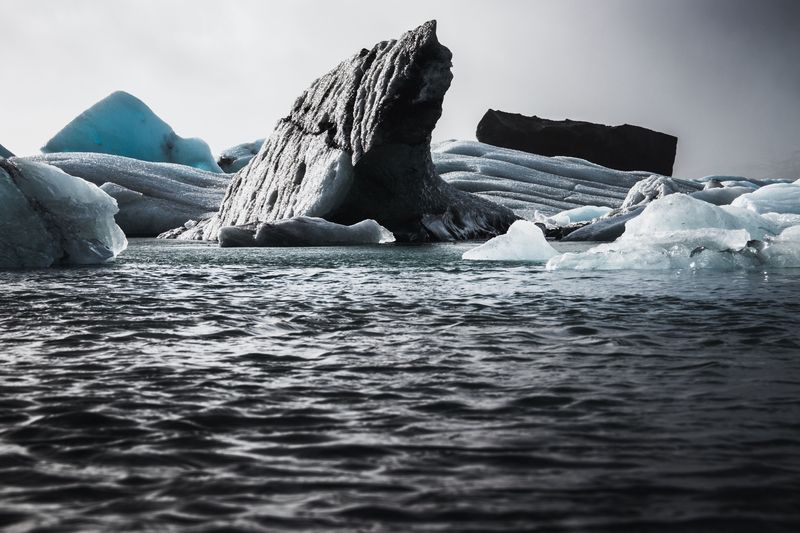
Ash-striped ice
Black bands in the icebergs are layers of volcanic ash, laid down on the ice cap by eruptions centuries ago.
Read the guide → -
Vatnajökull
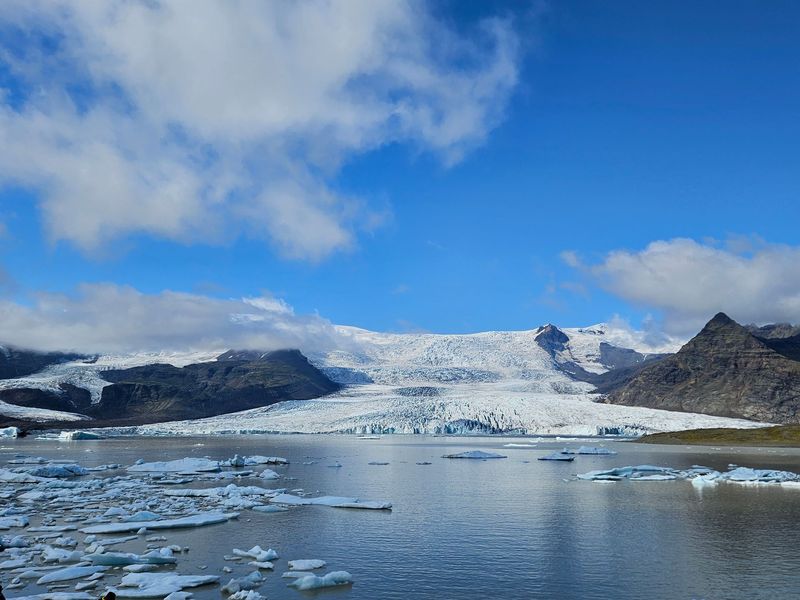
Fjallsárlón
A smaller, quieter lagoon ten minutes west of Jökulsárlón, where the glacier front comes right down to the water.
Read the guide → -
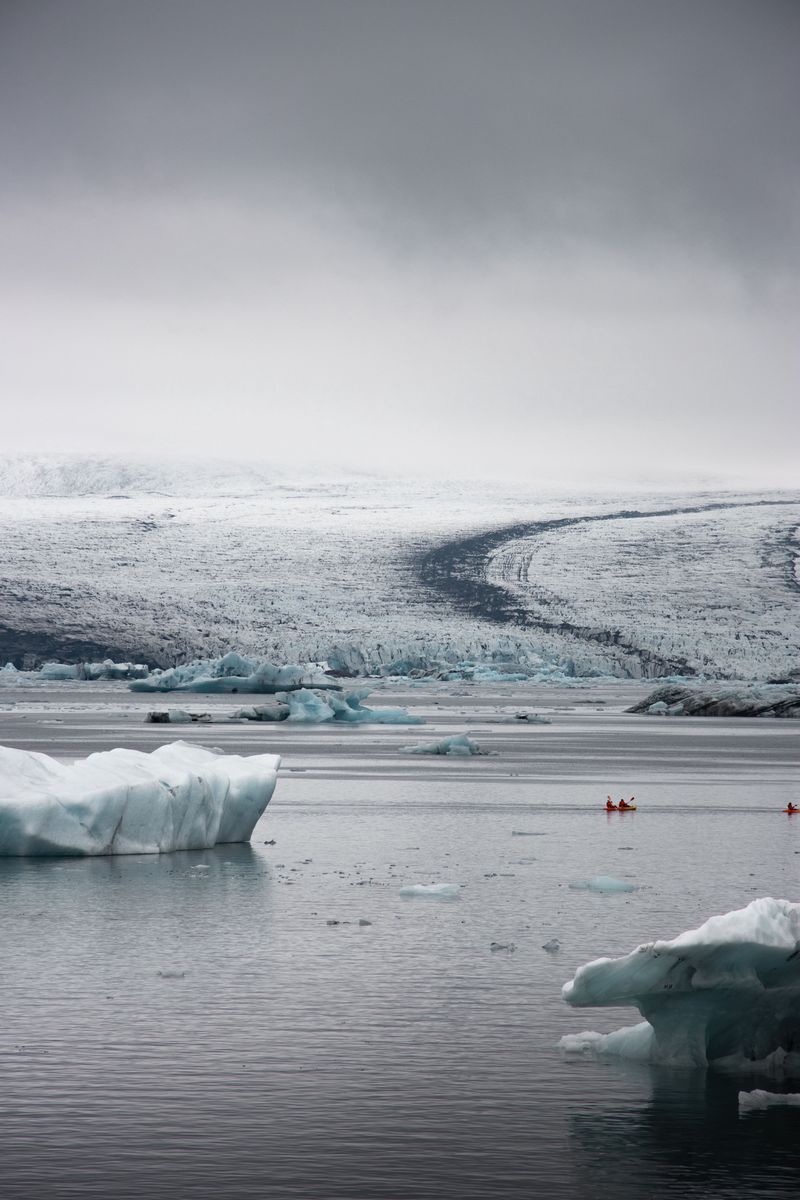
Vatnajökull
Kayaking among icebergs
Guided kayak trips on the glacier lagoons run in summer. You paddle close to the ice, with the glacier front ahead.
Read the guide → -
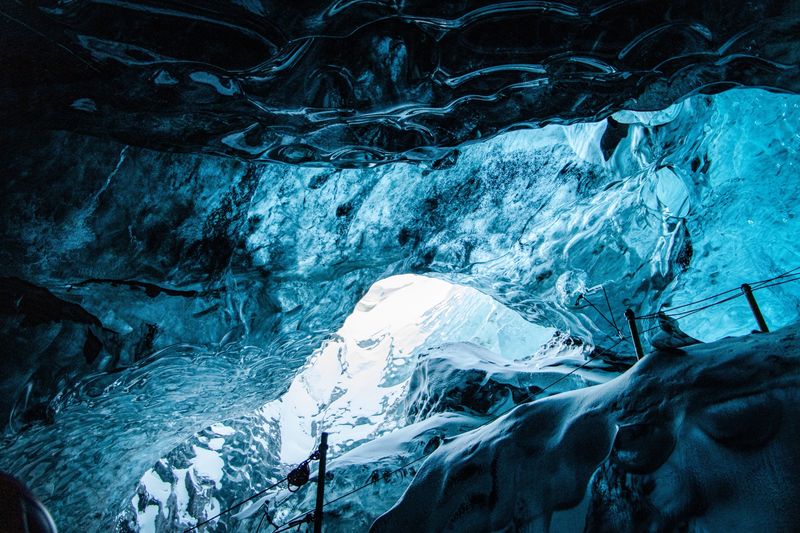
Vatnajökull
Ice caves
Natural ice caves form inside Vatnajökull each year. Visit only with a licensed guide, usually from about November to March.
Read the guide → -
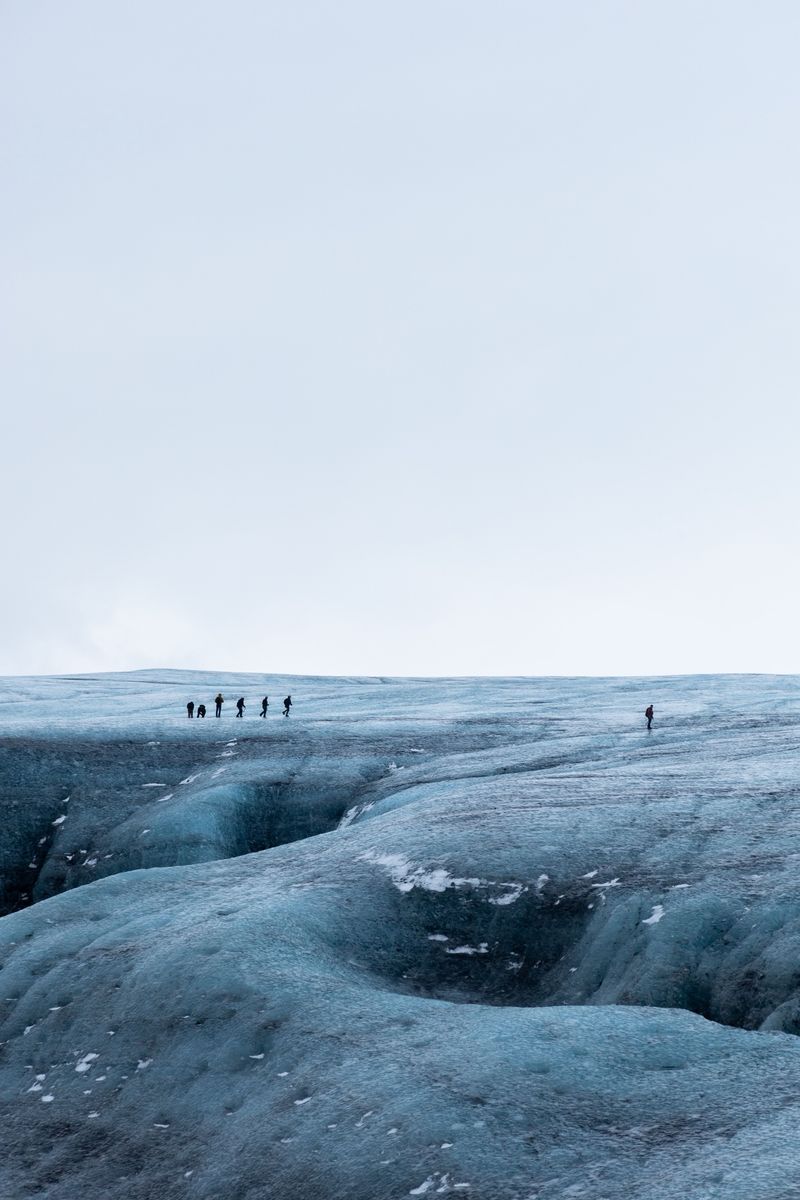
Skaftafell
Glacier hikes
Guided walks with crampons and ice axes run all year on Skaftafell's glacier tongues and Sólheimajökull.
Read the guide → -
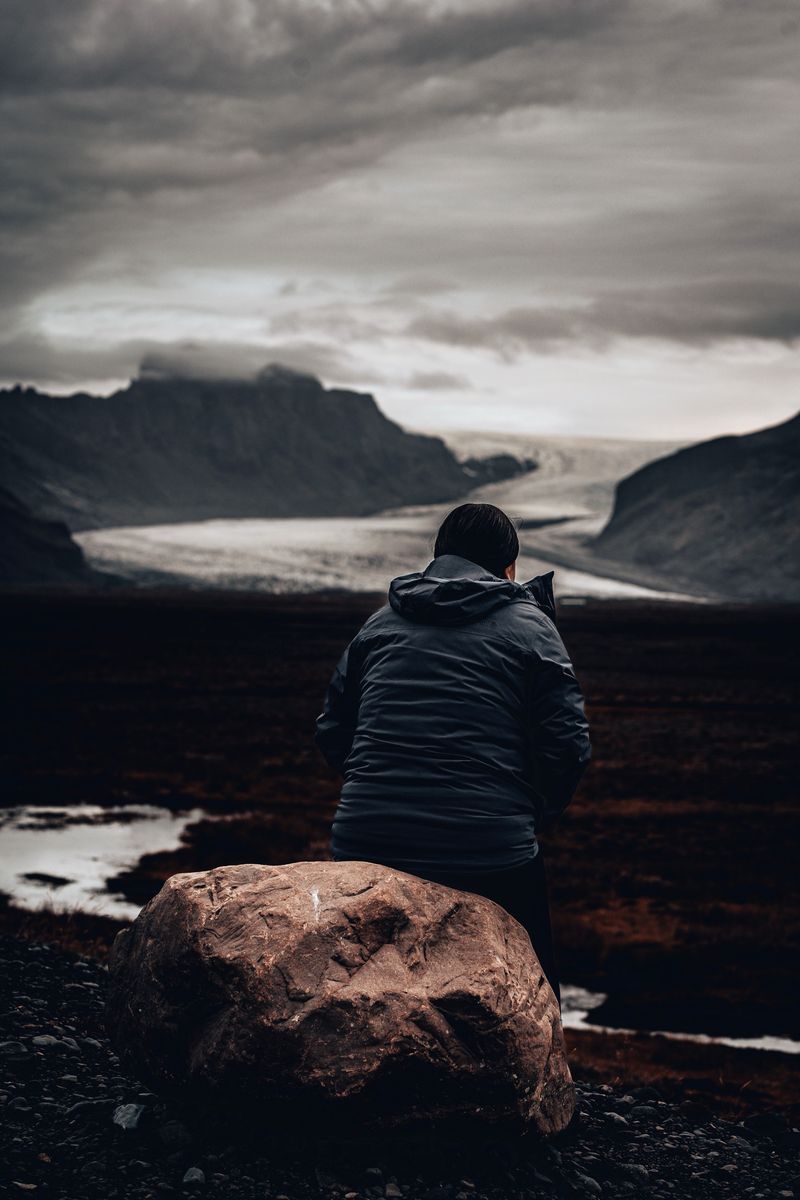
Vatnajökull National Park
Skaftafell
A hiking base inside Vatnajökull National Park, with trails to Svartifoss and viewpoints over the glacier tongues.
Read the guide → -
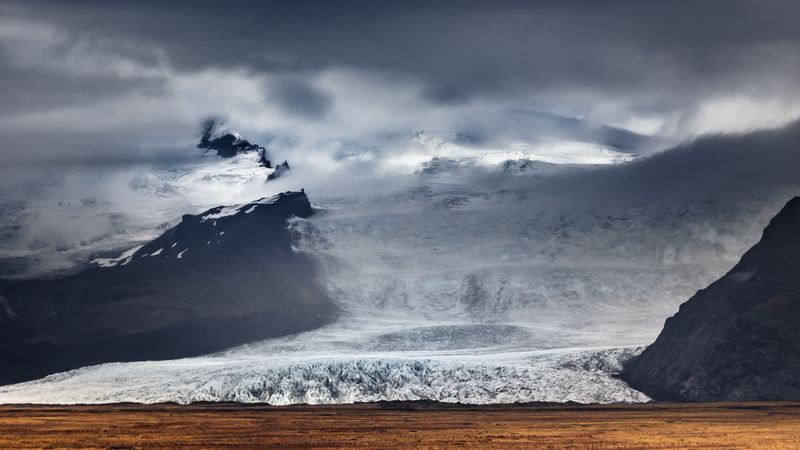
South-east
Vatnajökull
Europe's largest ice cap by volume covers about eight percent of Iceland. Its outlet glaciers line the Ring Road for hours.
Read the guide → -
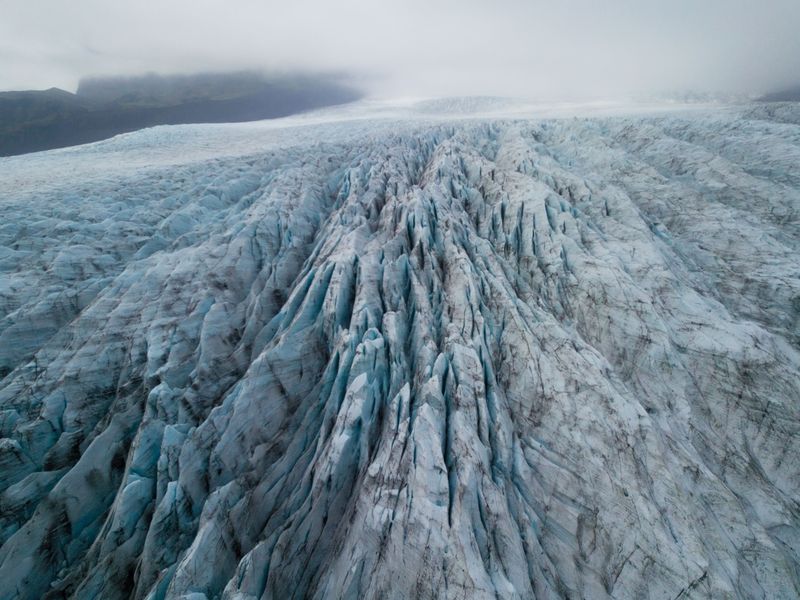
Vatnajökull
Crevasse fields
From above, the outlet glaciers are a maze of ridges and blue cracks. Scenic flights and drones show the scale.
Read the guide → -
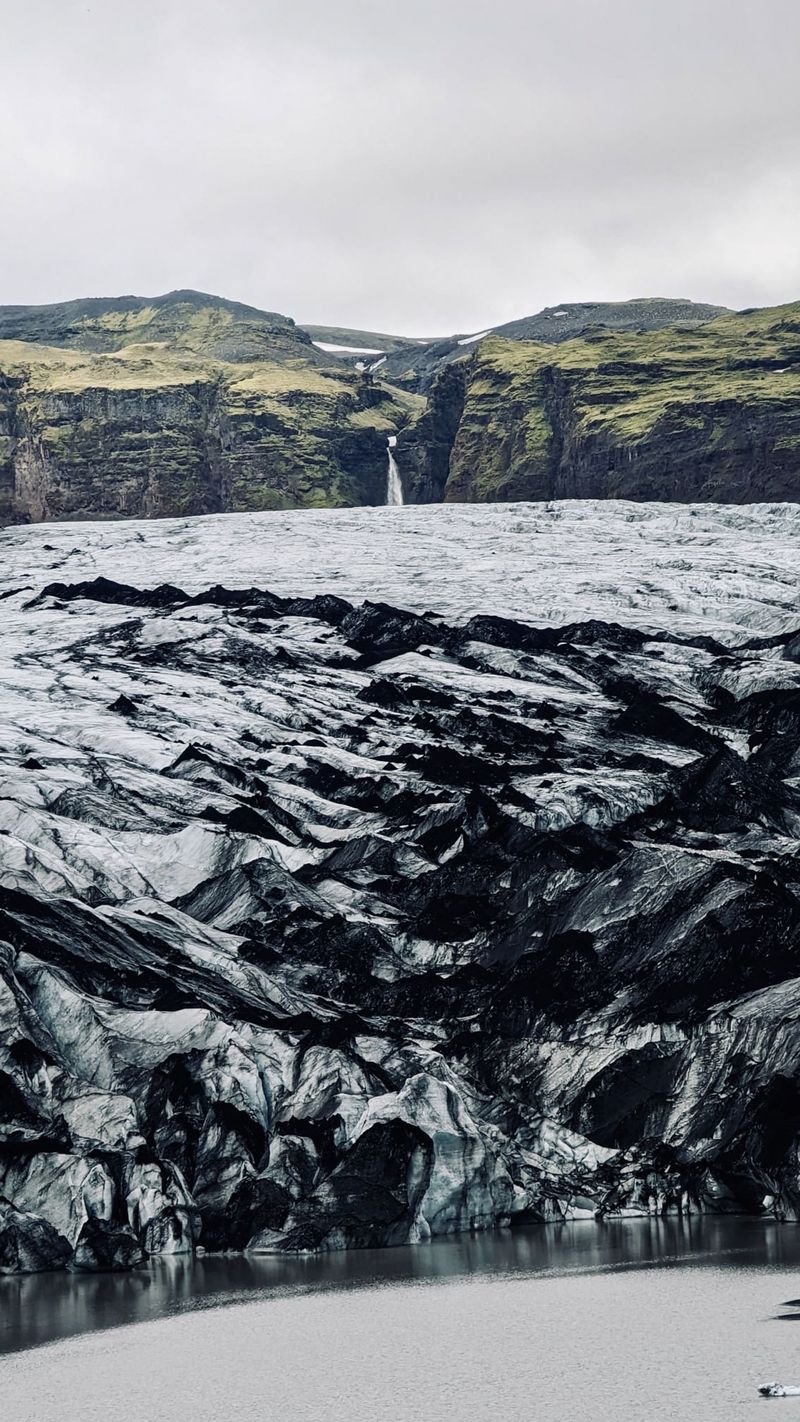
South Coast
Sólheimajökull
The easiest glacier to reach from Reykjavík, a short walk from the car park and a popular spot for first glacier hikes.
Read the guide → -
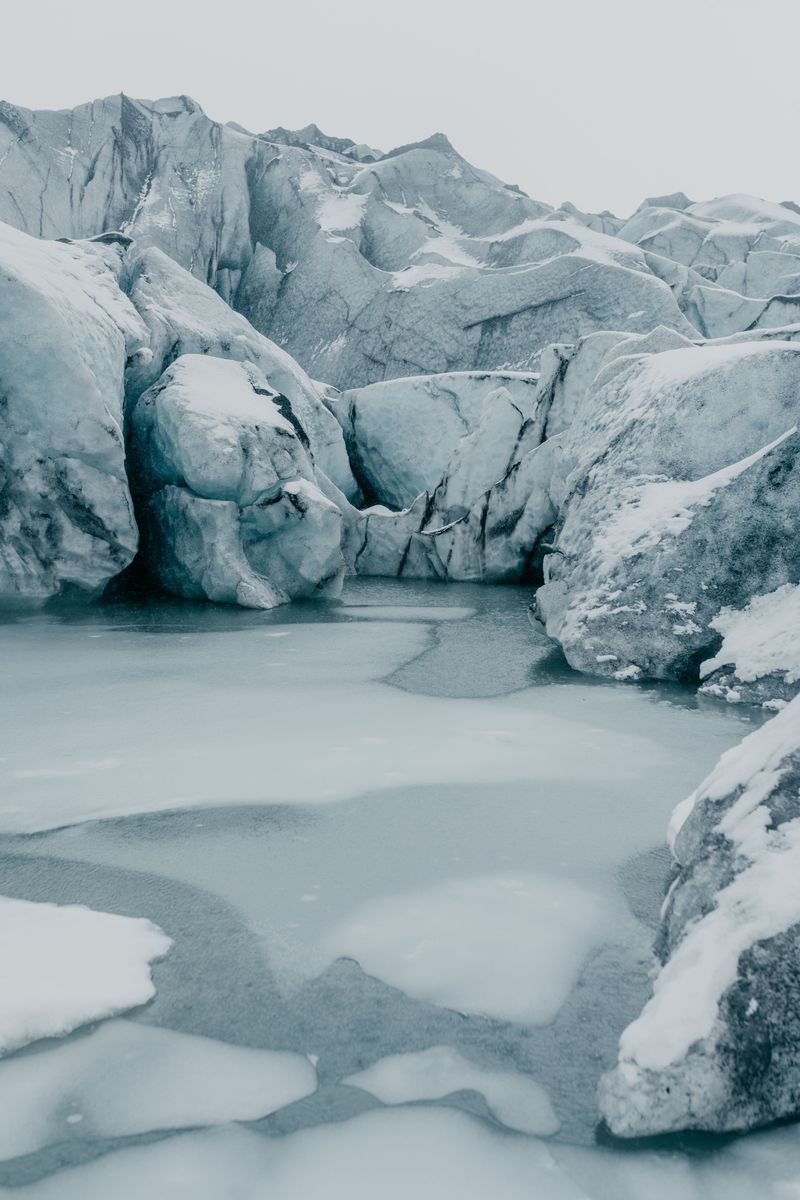
South Coast
Frozen glacier lagoons
In deep winter the small lagoons at the glacier fronts freeze over. Stay off the ice: it can break without warning.
Read the guide → -
Golden Circle
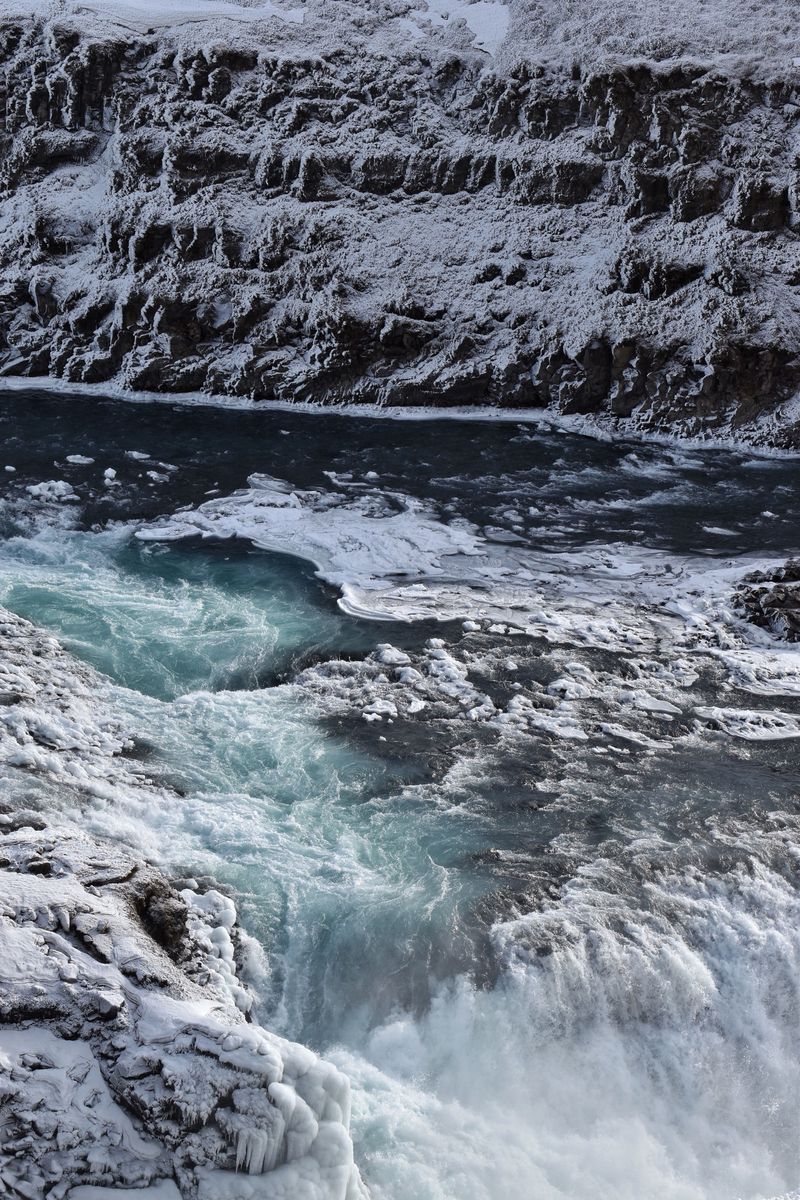
Gullfoss
The 'golden falls' drop in two steps into a deep canyon on the Hvítá river. Paths lead almost to the edge.
Read the guide → -
South Coast
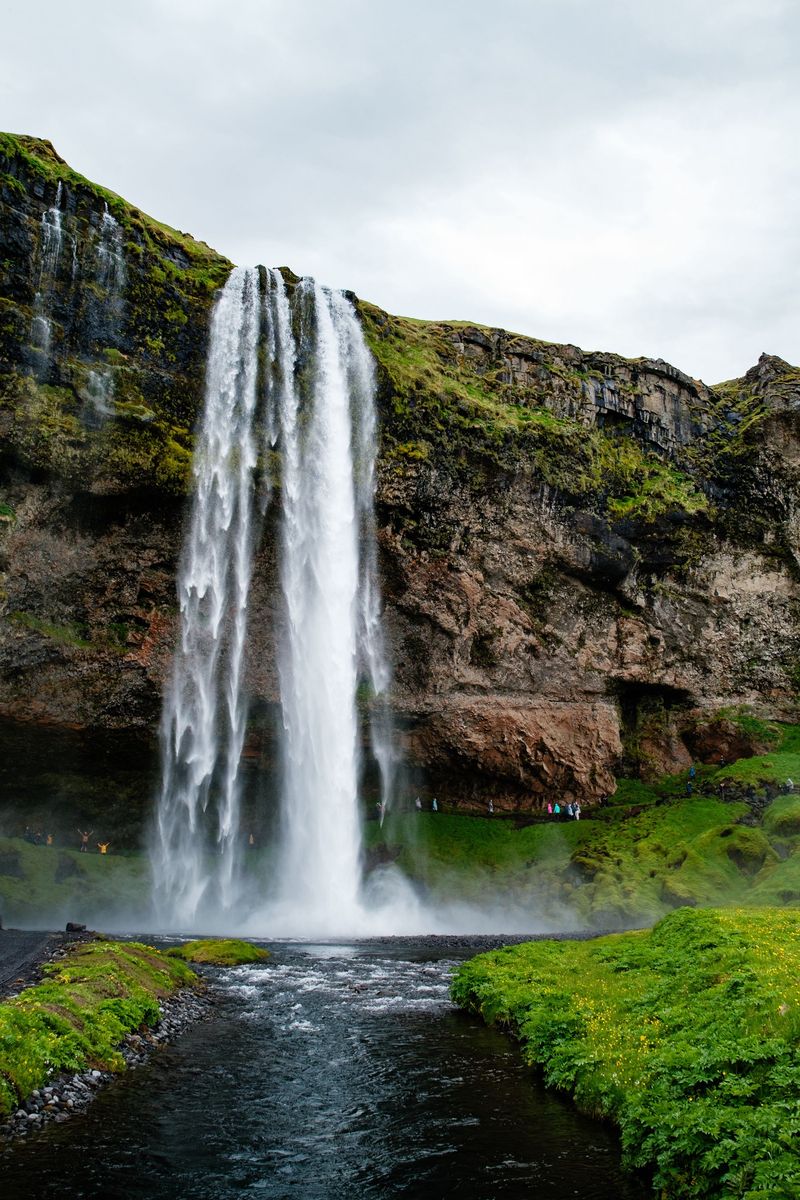
Seljalandsfoss
A slender waterfall with a path that loops behind the curtain of water. Bring a rain jacket.
Read the guide → -
South Coast
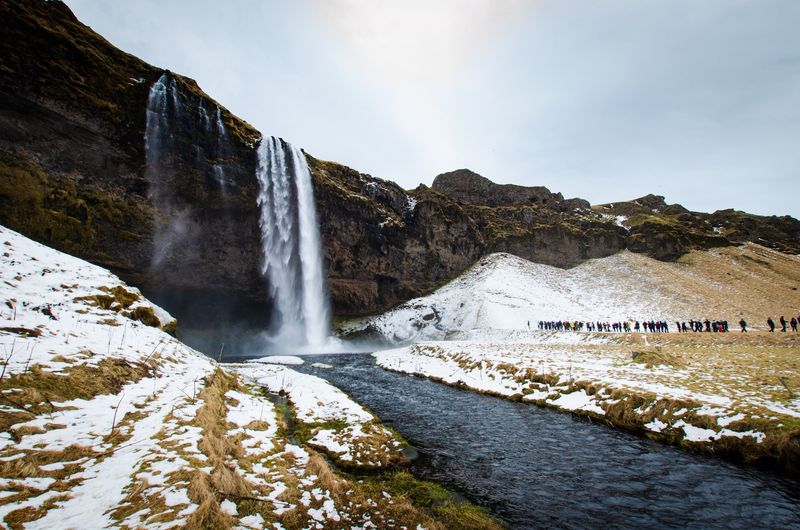
Seljalandsfoss in winter
The path behind the falls usually closes when it ices over, but the view from the front is at its best in snow.
Read the guide → -
East Iceland
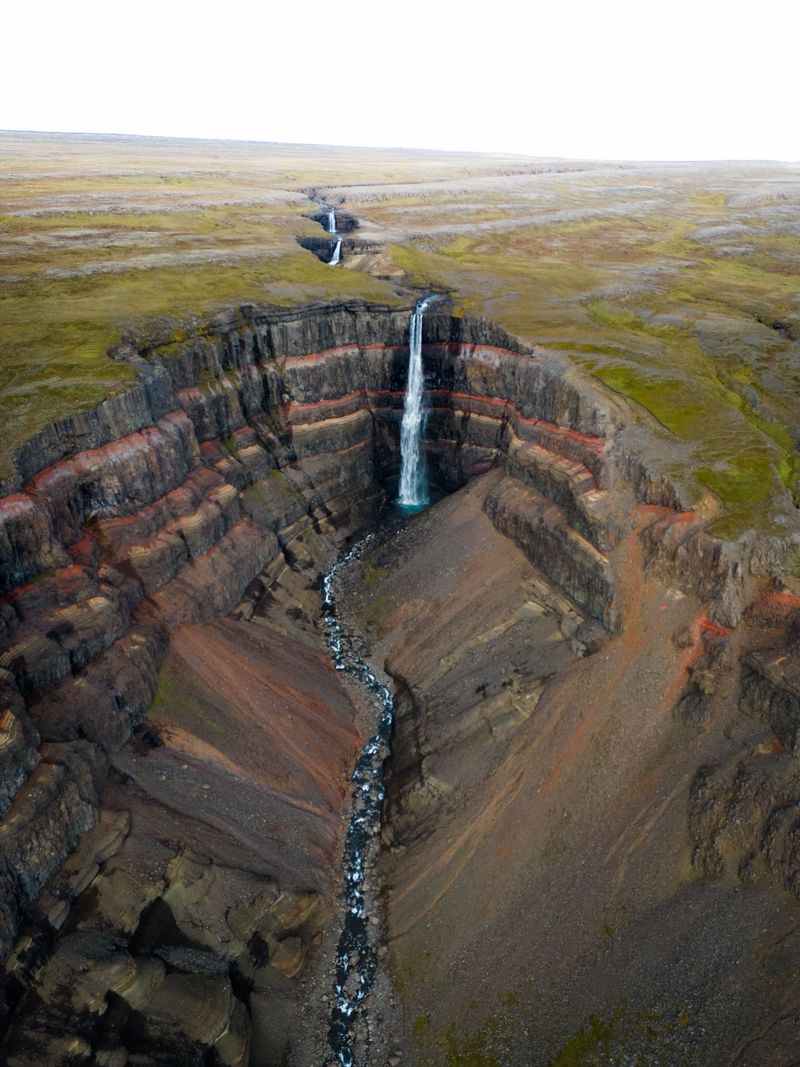
Hengifoss
One of Iceland's tallest waterfalls, framed by red clay stripes between basalt layers. The walk up takes about an hour each way.
Read the guide → -
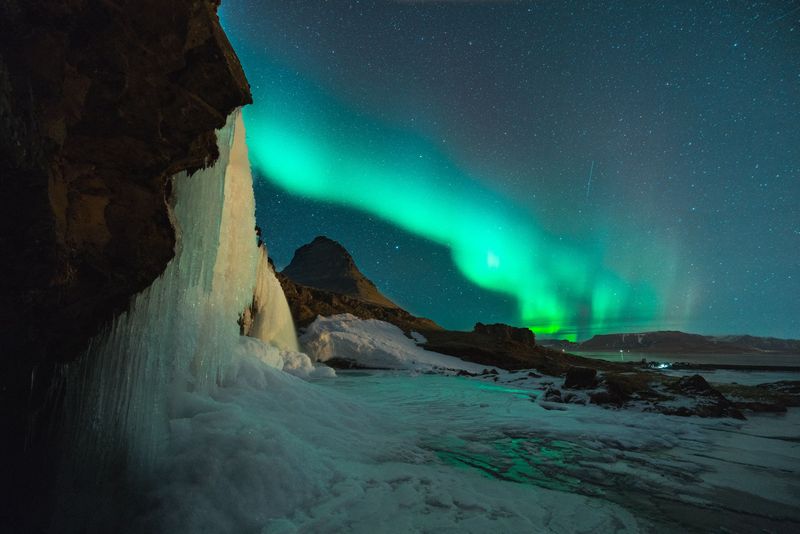
Snæfellsnes
Kirkjufell & Kirkjufellsfoss
The 'church mountain' above Grundarfjörður with a small waterfall in front, one of the most photographed views in Iceland, day or night.
Read the guide → -
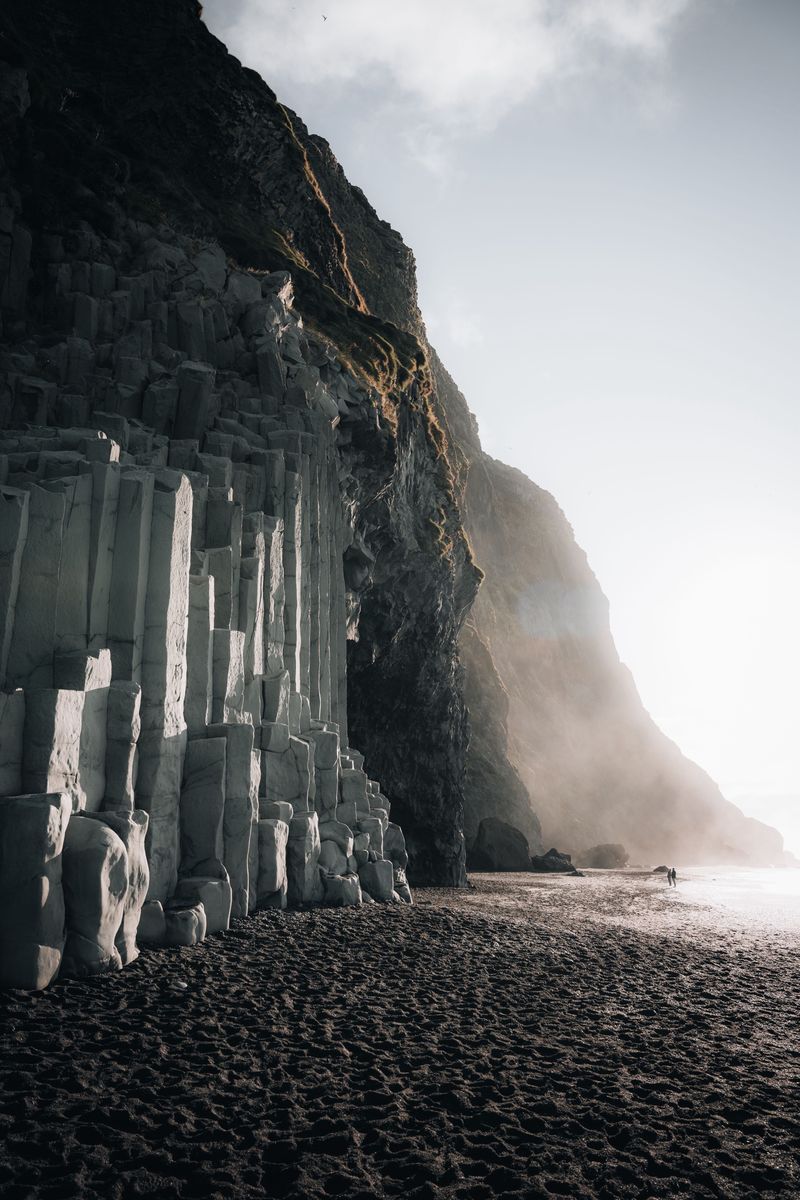
South Coast
Reynisfjara
Black sand, basalt columns and sea stacks near Vík. Sneaker waves here are deadly: stay well back from the water.
Read the guide → -
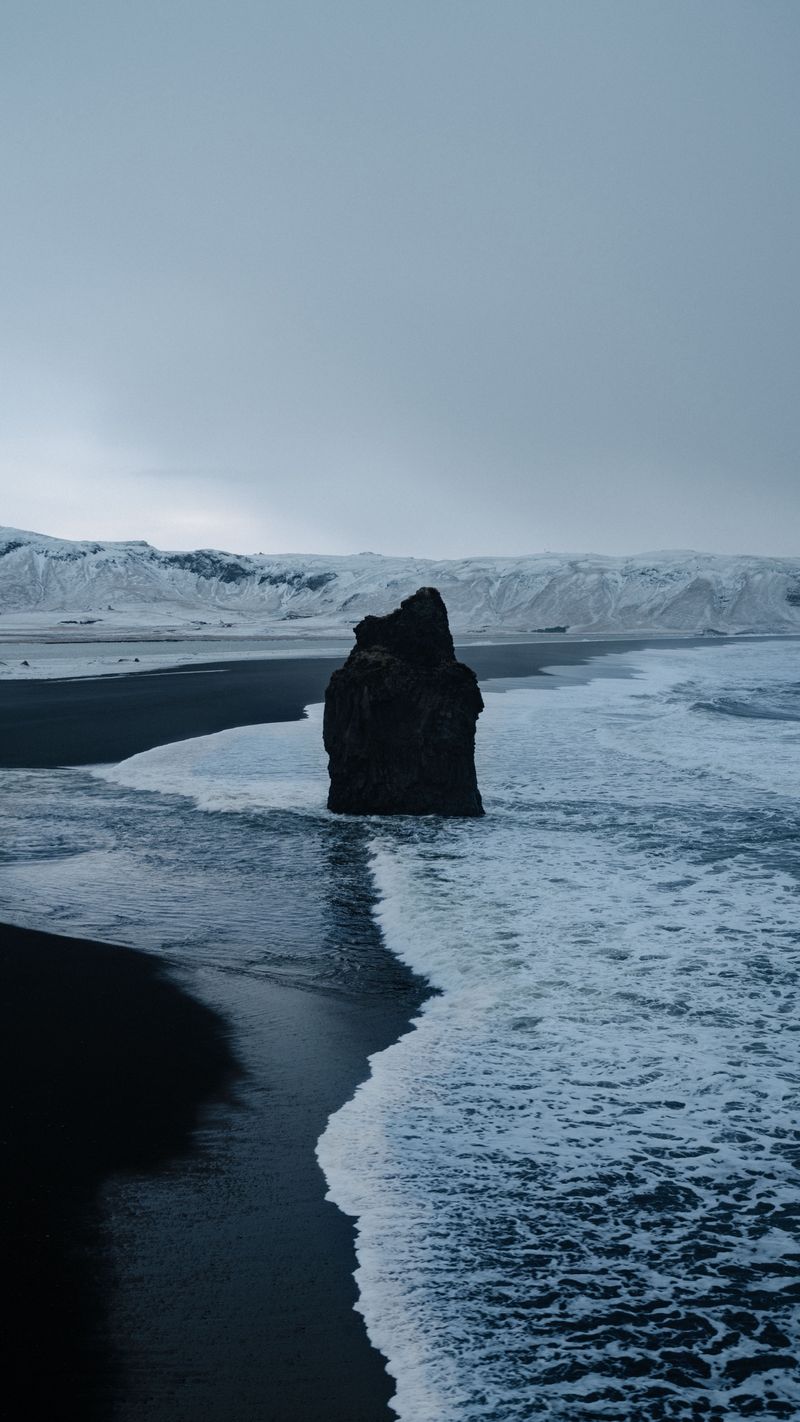
South Coast
Black beaches of the south
Volcanic sand turns the south coast black for long stretches. Winter brings snow down to the tideline.
Read the guide → -
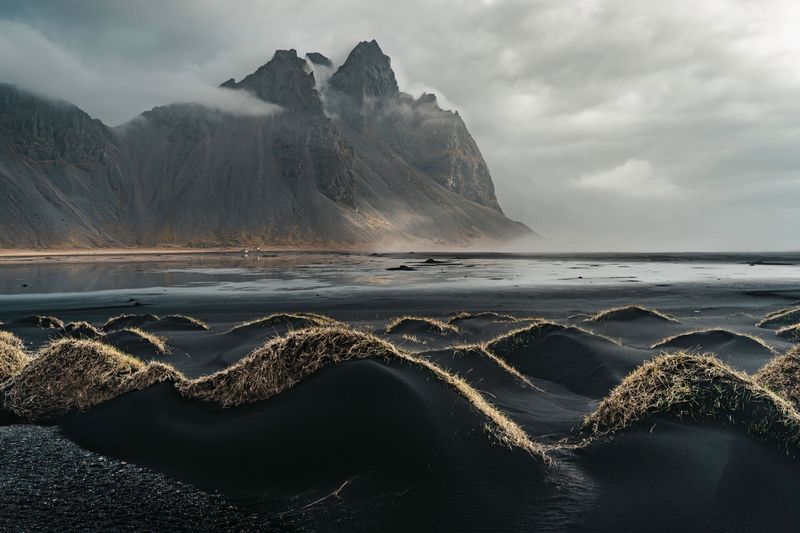
South-east
Stokksnes
A black sand peninsula near Höfn with grass-tufted dunes. The private land charges a small entry fee at the café.
Read the guide → -
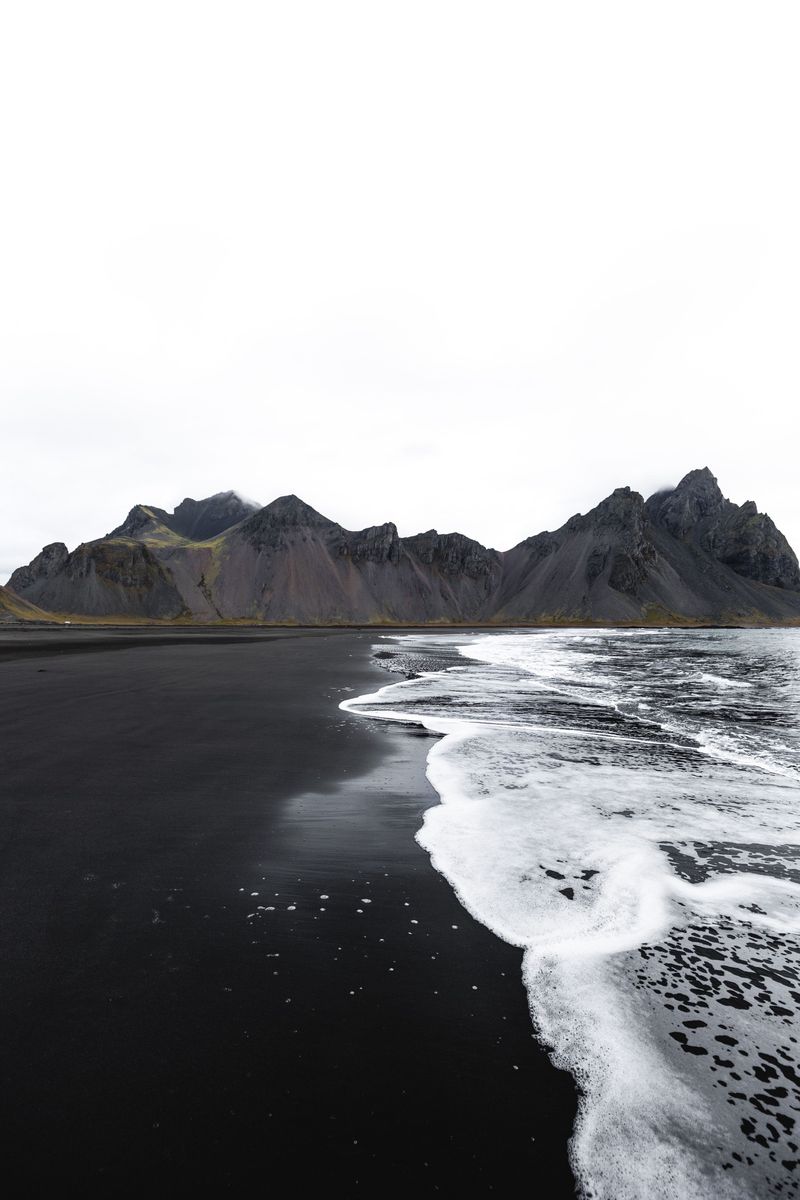
South-east
Stokksnes shoreline
Walk past the dunes to the shore, where the surf runs up the black sand below the mountains.
Read the guide → -
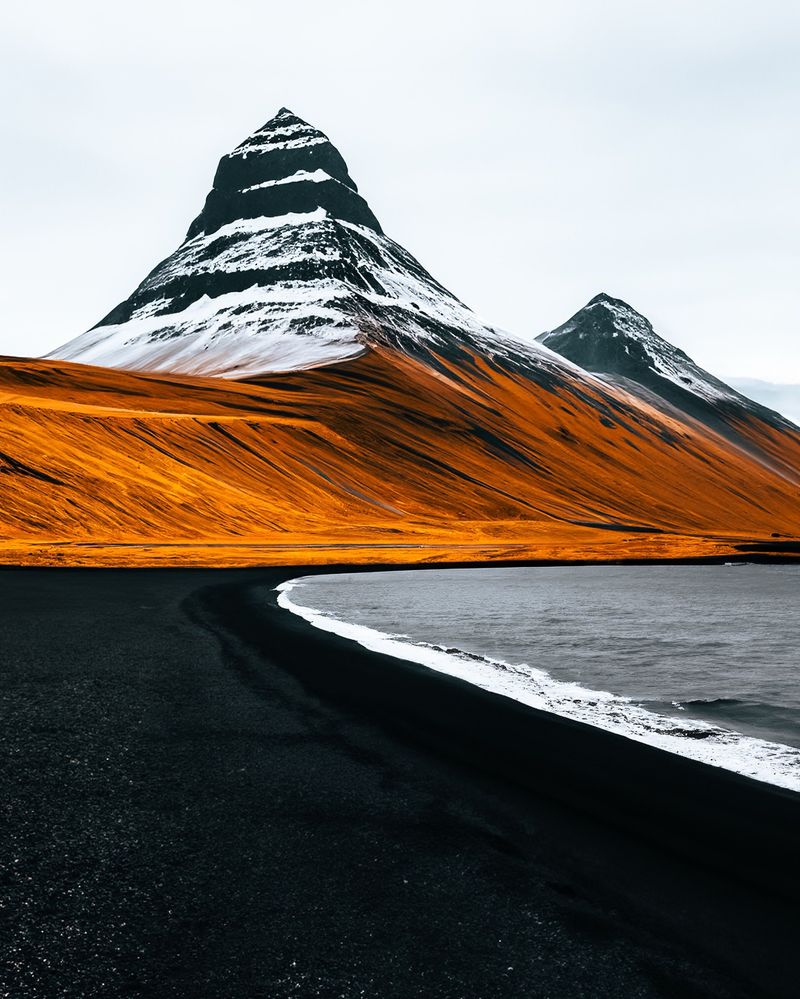
West Iceland
Snæfellsnes peninsula
Called 'Iceland in miniature': lava fields, black beaches, fishing villages and a glacier, two hours from Reykjavík.
Read the guide → -
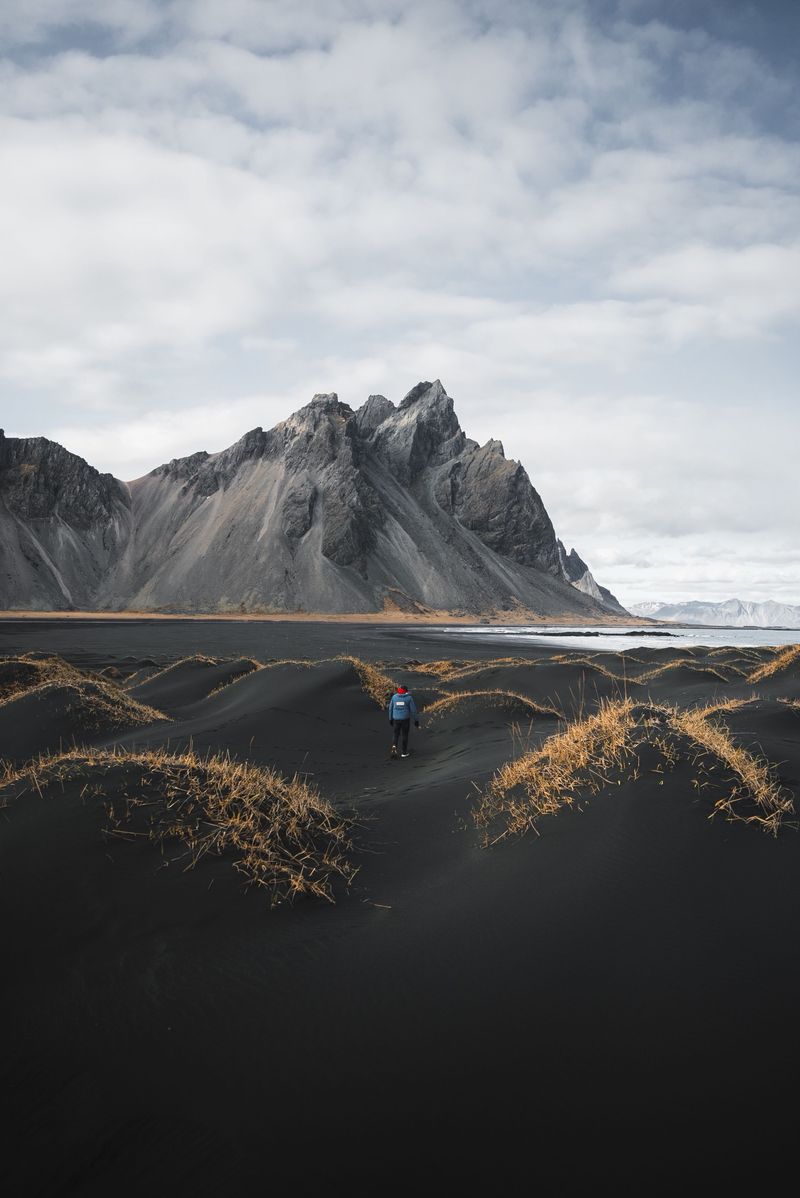
South-east
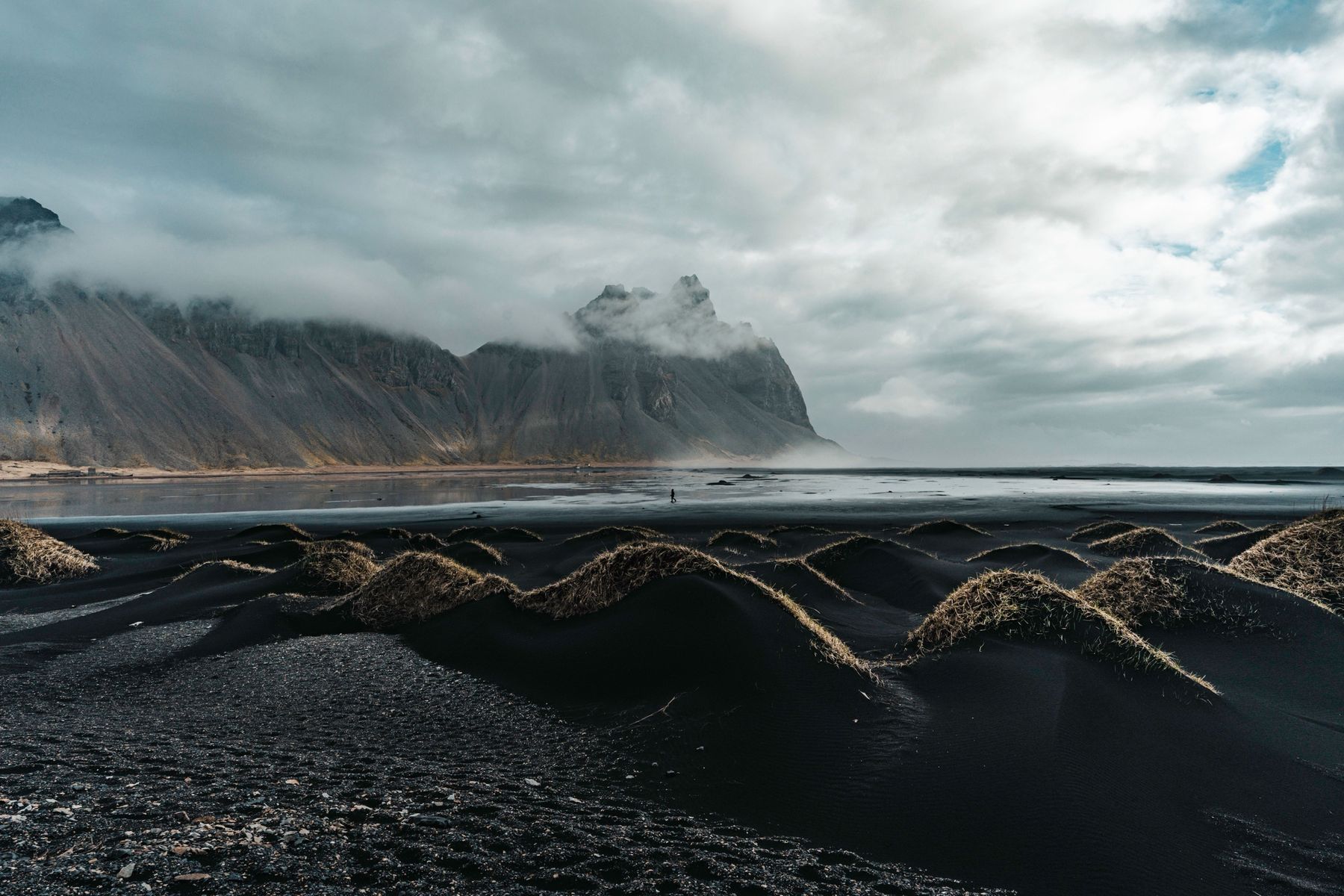
Vestrahorn
Jagged gabbro peaks rising straight from the black sand at Stokksnes. Come in calm weather for reflections at low tide.
Read the guide → -
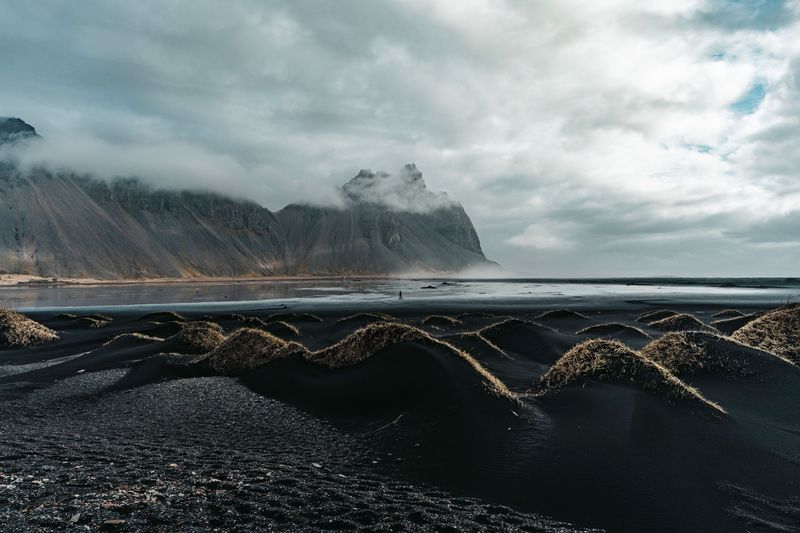
South-east
Vestrahorn in the mist
Cloud often clings to the summit, so the mountain changes shape by the minute. Wait it out: it rarely lasts.
Read the guide → -
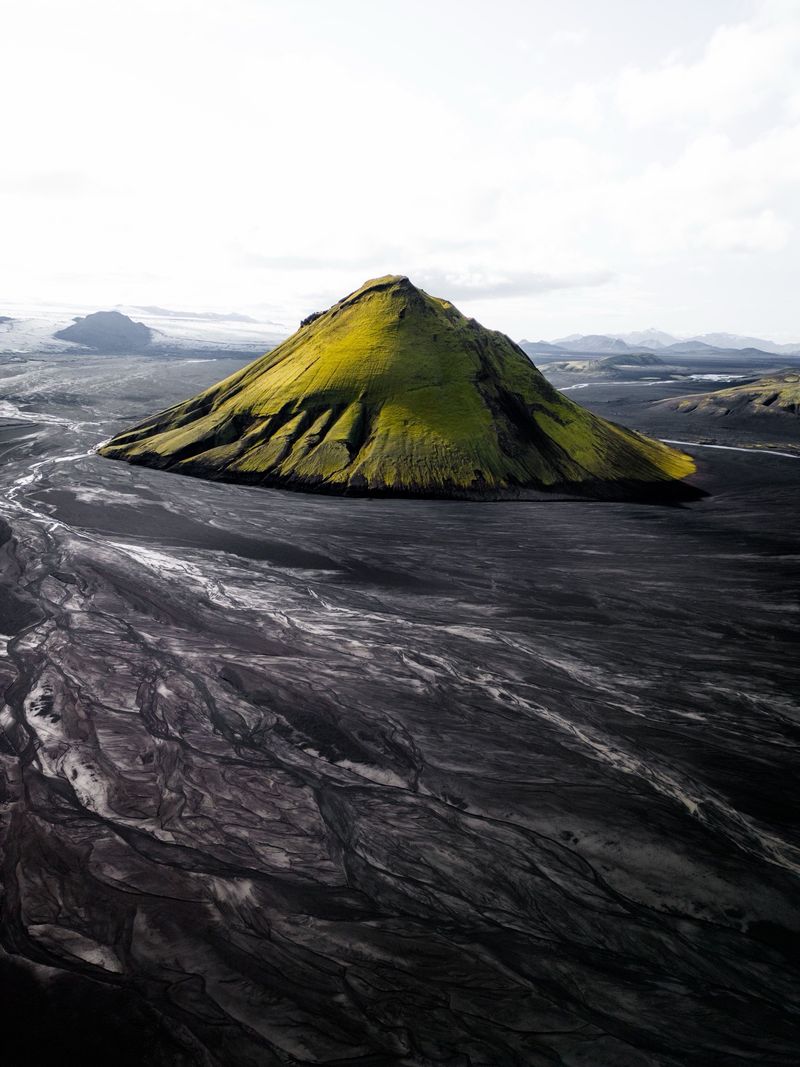
Highlands
Mælifell
A perfect moss-green cone on the black Mælifellssandur desert, reached only by 4x4 on summer F-roads.
Read the guide → -
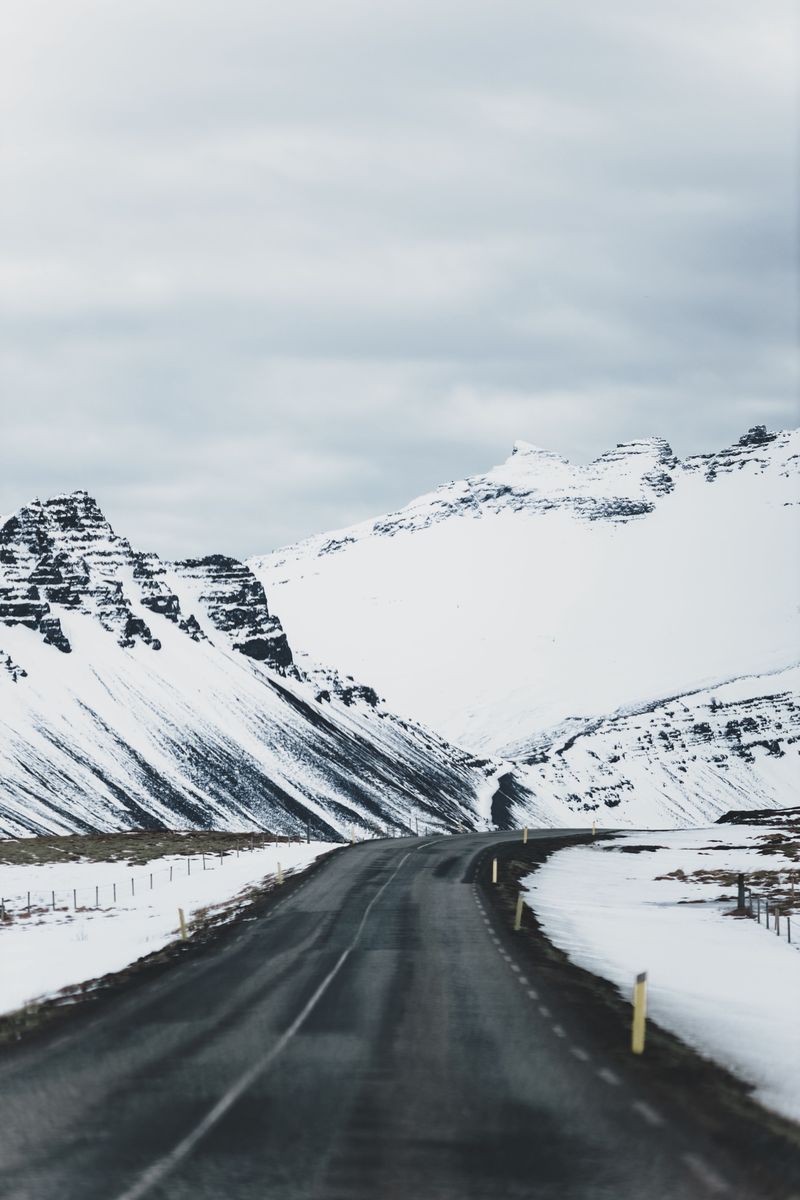
East Iceland
The East Fjords road
The Ring Road winds in and out of the fjords here, past steep mountains and small fishing villages.
Read the guide → -
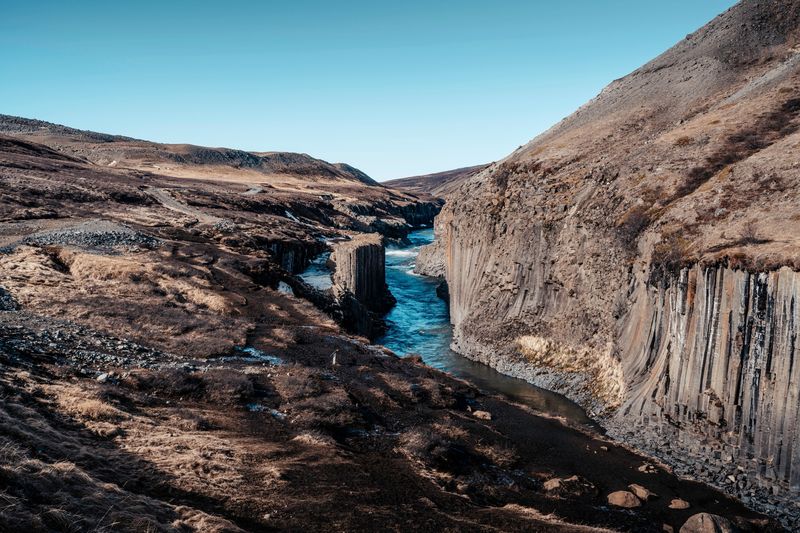
East Iceland
Stuðlagil
A canyon lined with hexagonal basalt columns. The river is bluest in early summer, before the reservoir upstream can overflow and turn it grey with glacial silt.
Read the guide → -
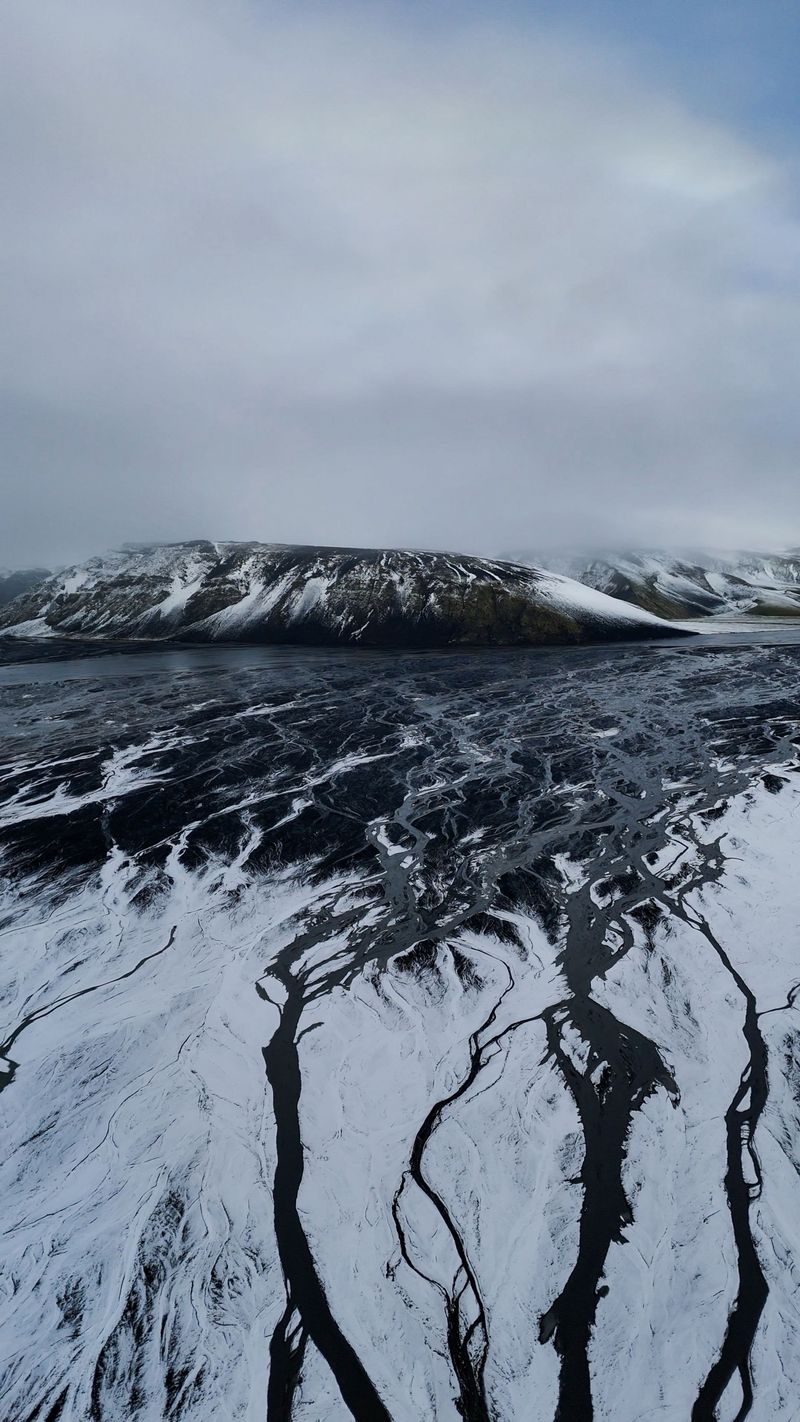
Highlands
Braided glacial rivers
Meltwater spreads across the sandur plains in hundreds of channels. From the air in winter they look like ink.
Read the guide → -
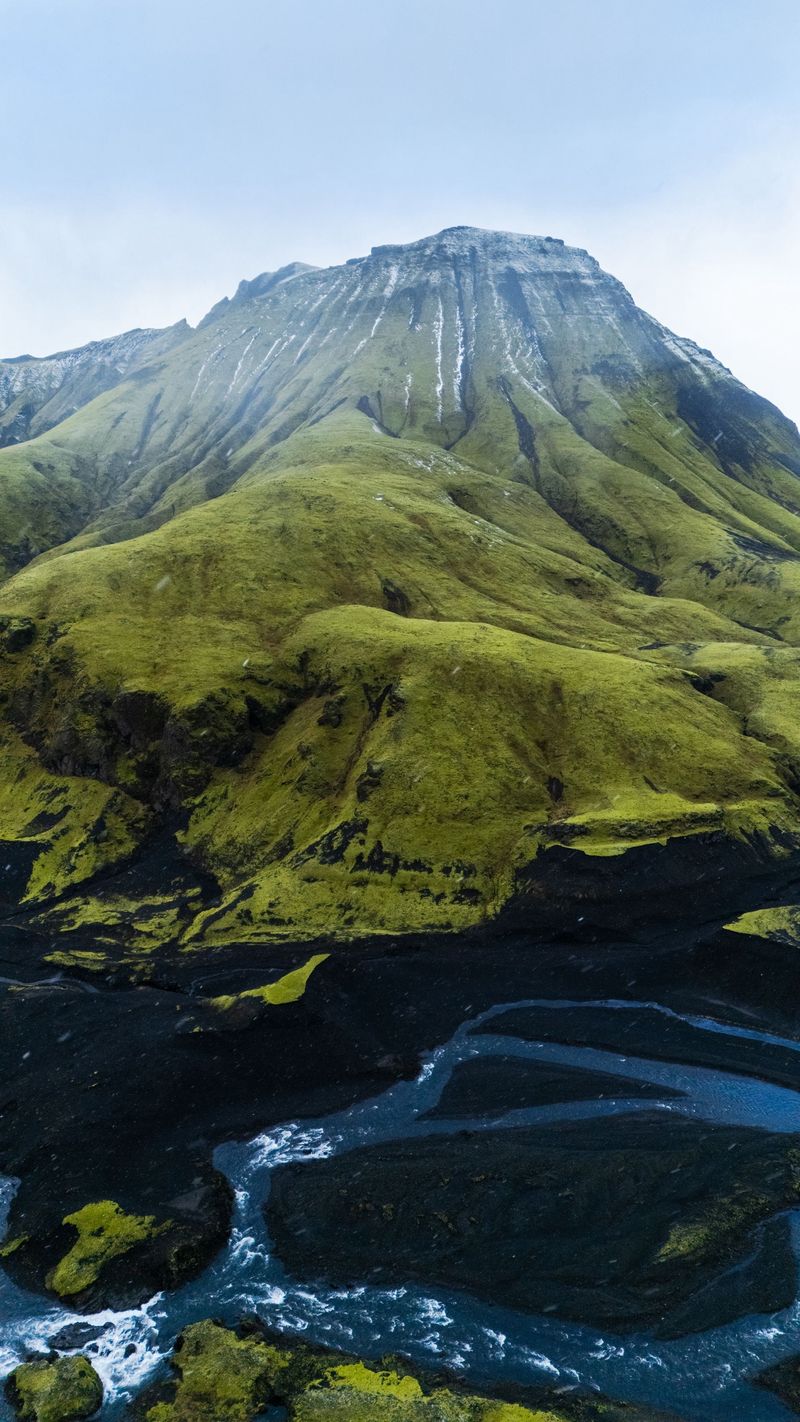
Highlands
Highland river valleys
Moss, black sand and glacial water: the highland valleys open only in summer, when the F-roads are passable.
Read the guide → -
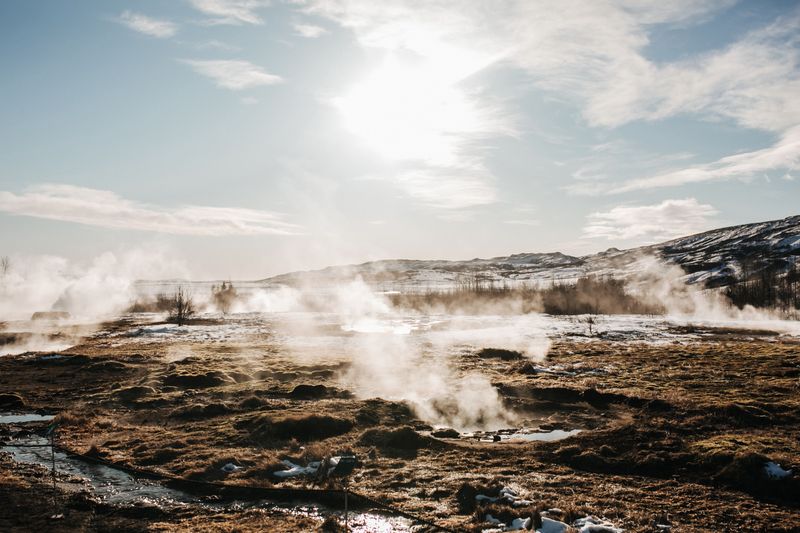
Golden Circle
Geysir & Strokkur
Strokkur erupts every few minutes, throwing water high into the air. The original Geysir gave every geyser its name.
Read the guide → -
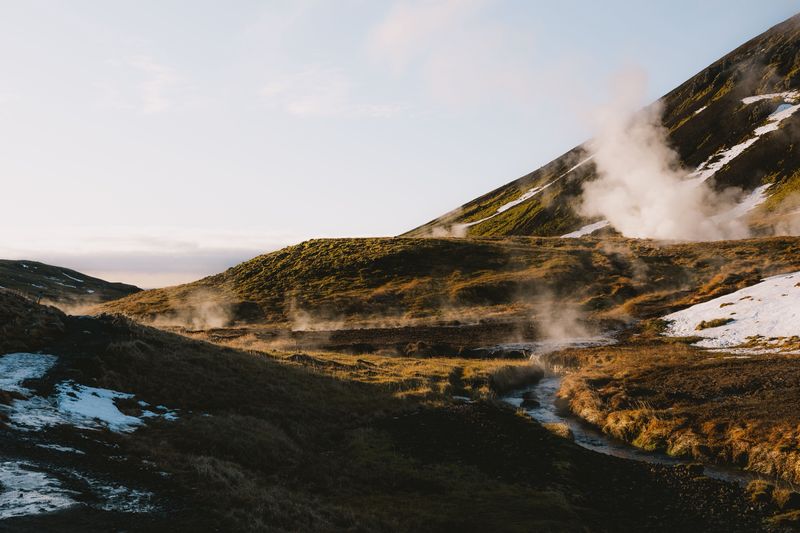
Hveragerði
Reykjadalur
A walk of about an hour from Hveragerði leads to a warm river where you can bathe in the open valley.
Read the guide → -
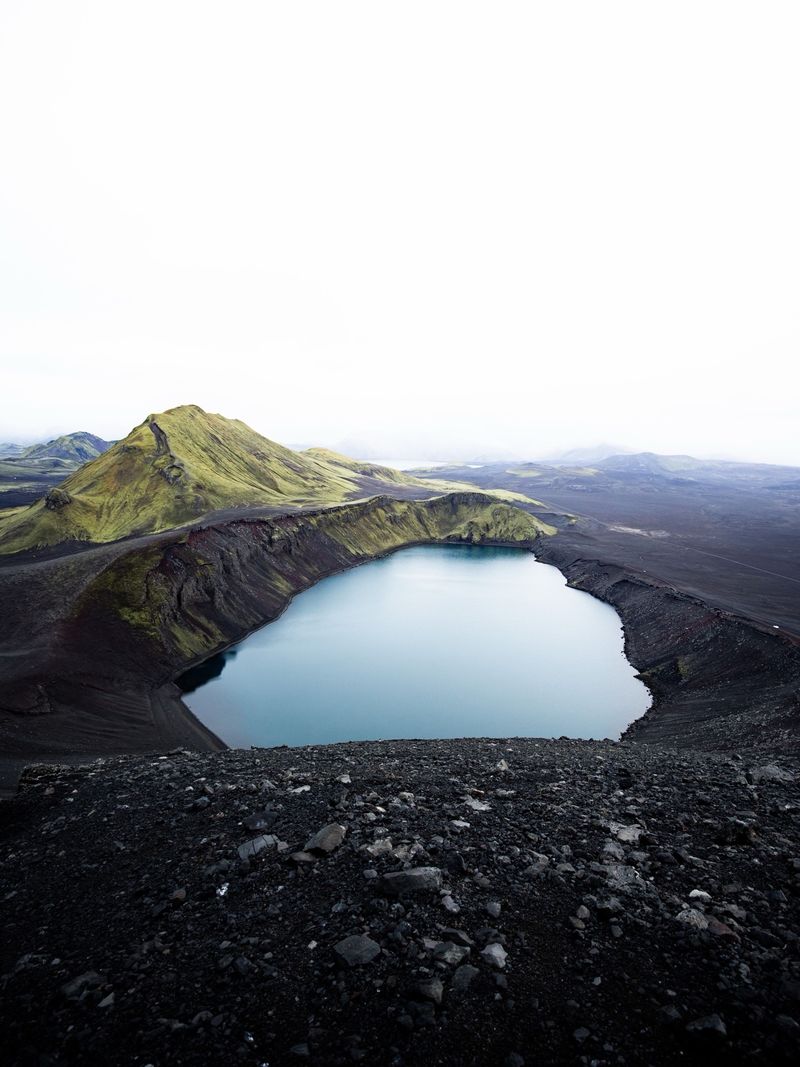
Highlands
Crater lakes
Bright blue water fills old volcanic craters in the interior, such as those around Veiðivötn and Landmannalaugar.
Read the guide → -
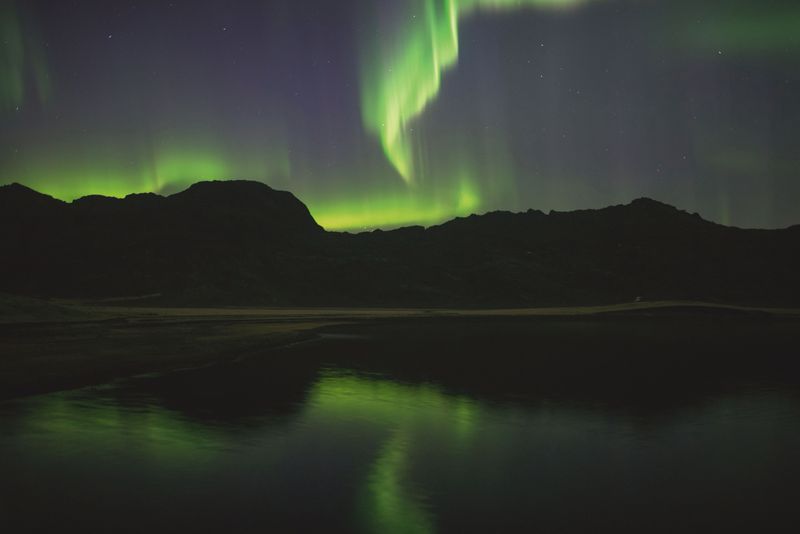
All of Iceland
Northern lights
Seen from about September to April on clear, dark nights. Check the Icelandic Met Office cloud forecast each evening.
Read the guide → -
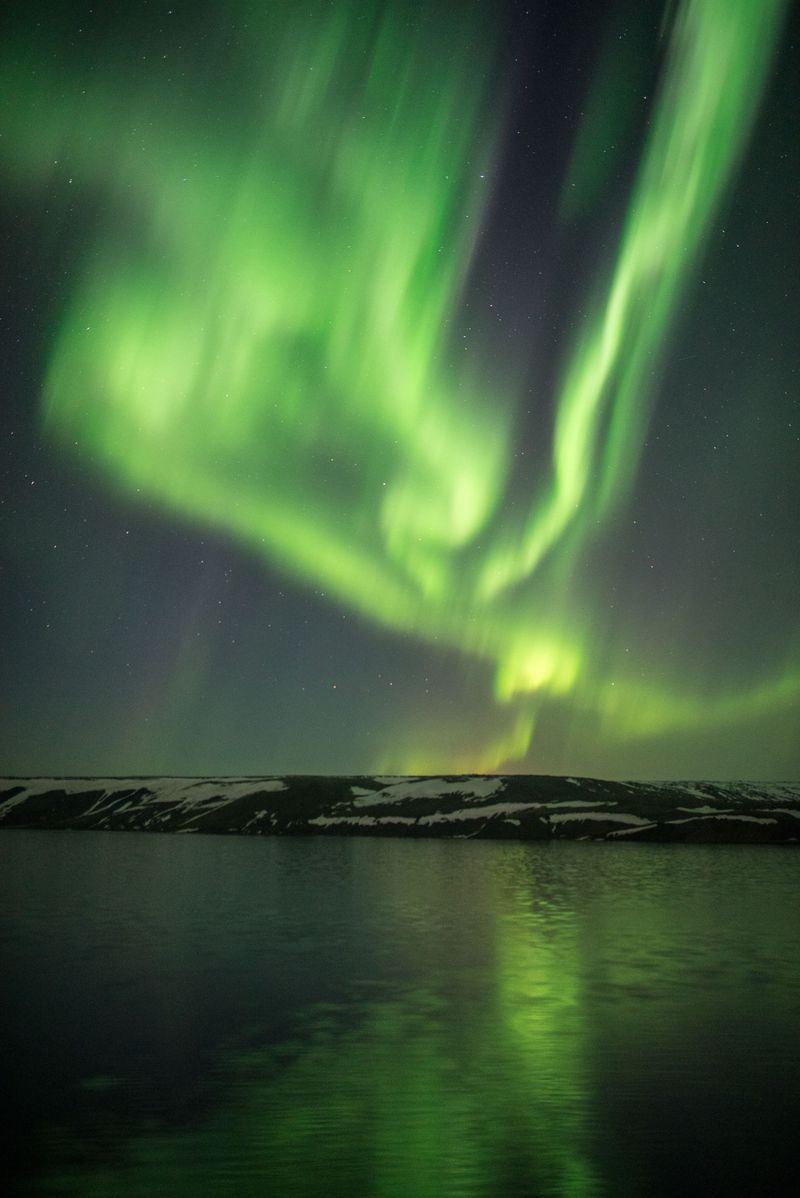
Westfjords & East
Aurora over the fjords
Calm fjords double the show: on still nights the aurora is reflected in the water below the mountains.
Read the guide → -
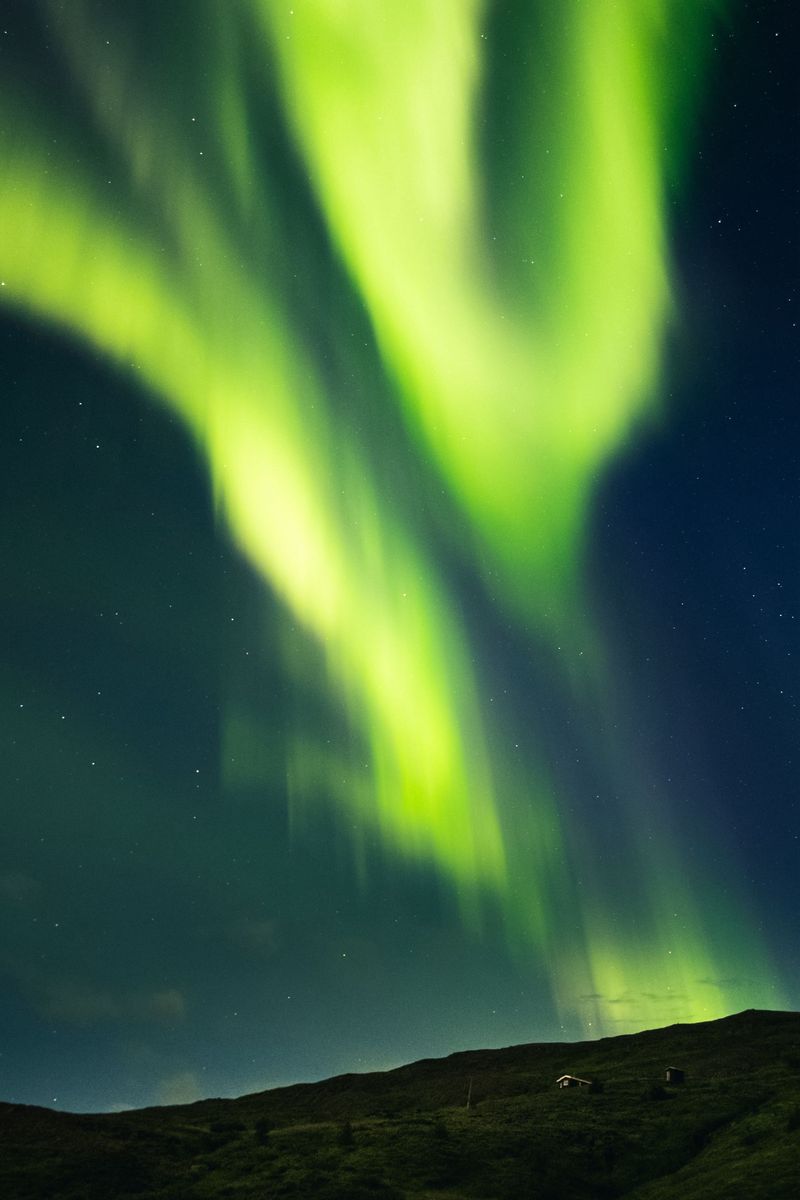
All of Iceland
Aurora in the countryside
Stay a few nights in a countryside guesthouse or cabin, away from town lights, and step outside when the sky clears.
Read the guide → -
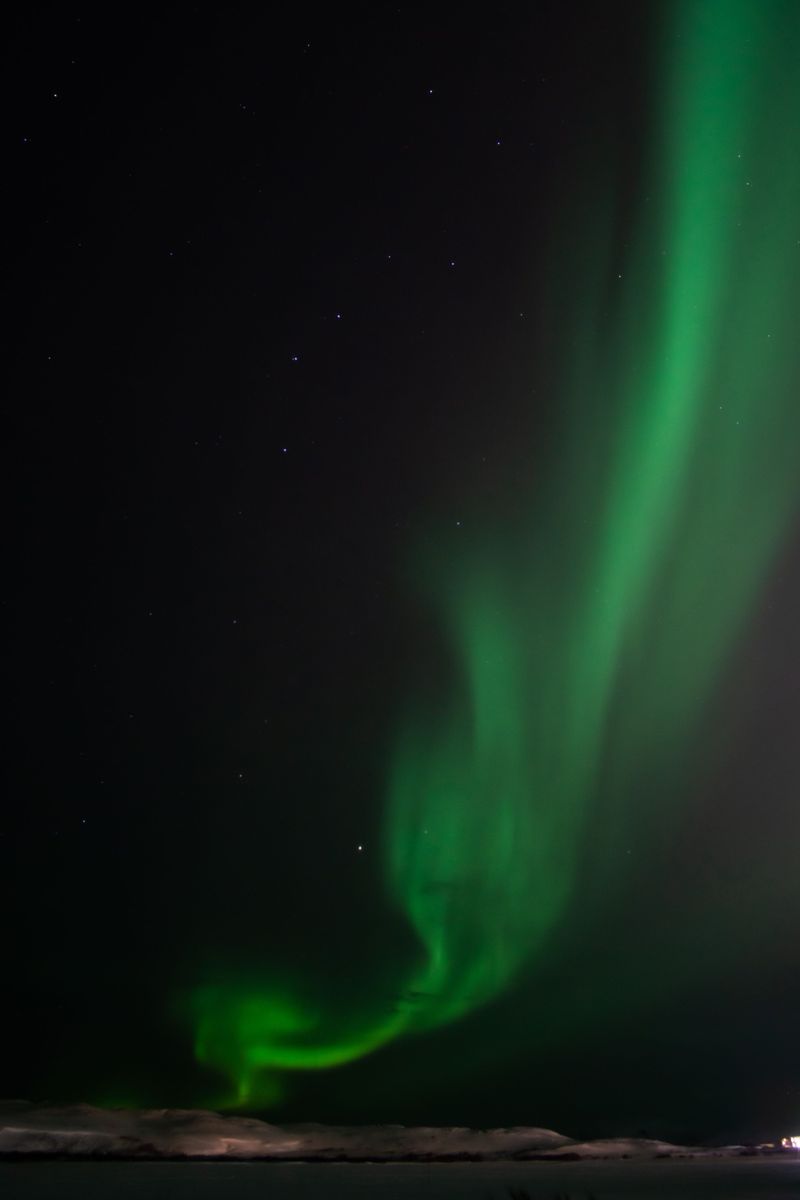
All of Iceland
Winter aurora nights
Deep winter brings the longest nights. Dress for hours standing still in the cold, and give your eyes time to adjust.
Read the guide → -
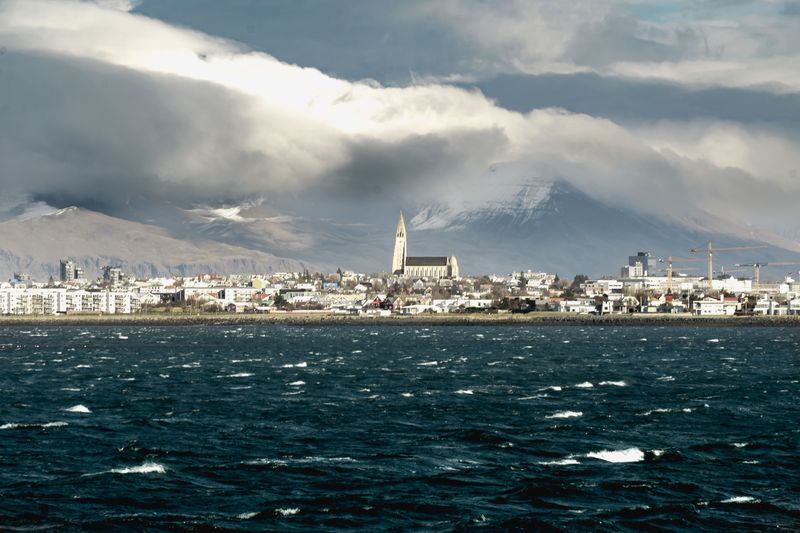
Capital region
Reykjavík
The world's northernmost capital: colourful streets, the old harbour, Hallgrímskirkja and a geothermal pool in every neighbourhood.
Read the guide → -
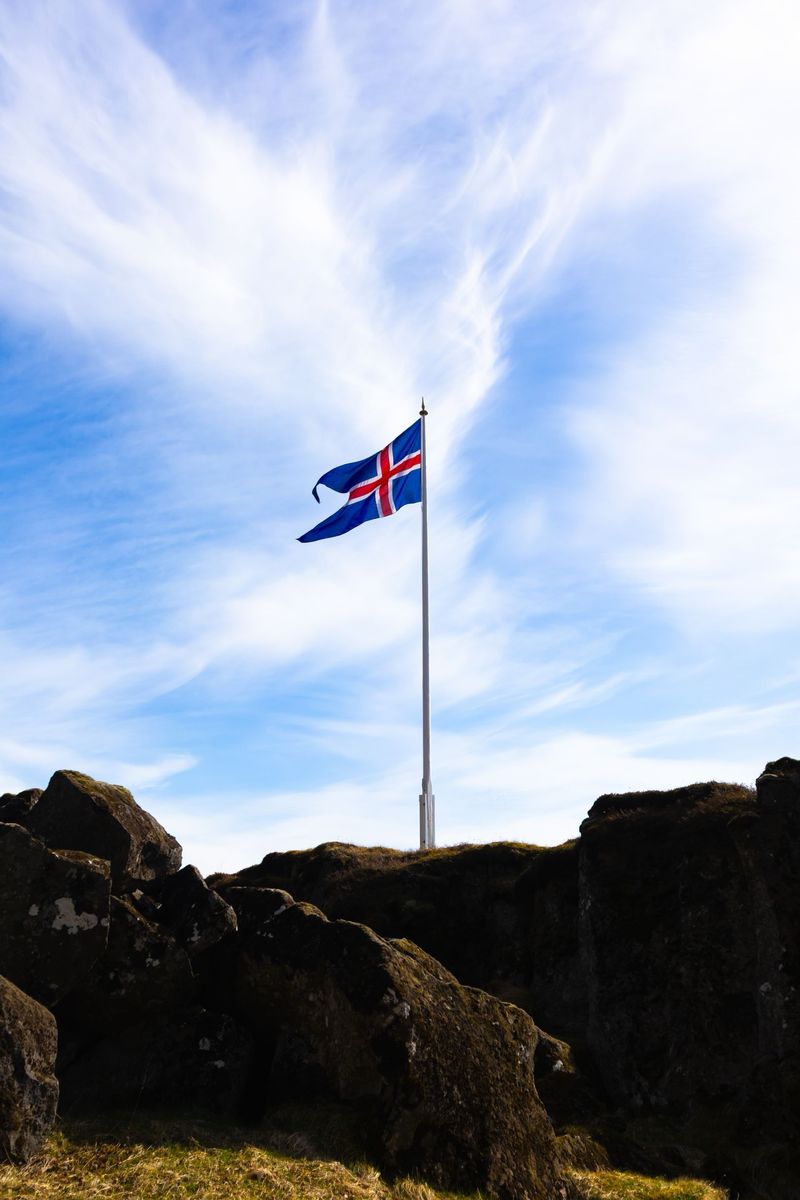
Golden Circle
Þingvellir
Where the Althing parliament met from 930, in a rift valley between two tectonic plates. A UNESCO World Heritage Site.
Read the guide →
Plan the trip
Put it all on one route.
The complete guide links these places into day trips and Ring Road itineraries, with maps for each region.